

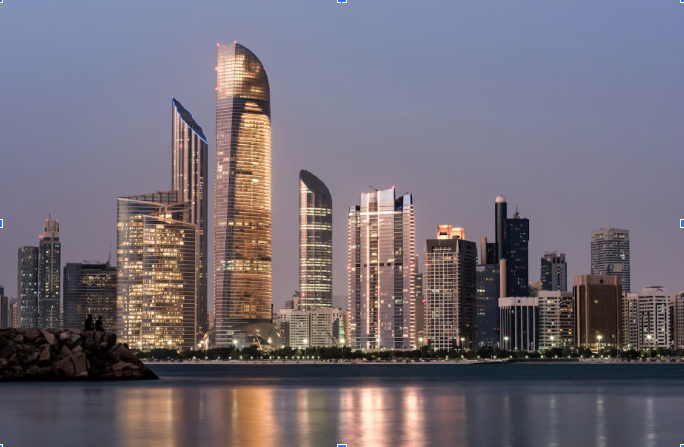
Saudi Arabia has experienced significant transformation in recent years, particularly in how it welcomes international travelers. For decades, entry into the Kingdom was largely limited to business visitors and religious pilgrims traveling to perform Hajj or Umrah. Today, the country has expanded its travel policies to encourage tourism, cultural exchange, and global business engagement.
As Saudi Arabia continues implementing its long-term development strategies, travel policies have evolved to make the country more accessible while still maintaining structured entry requirements. Visitors from around the world now travel to Saudi Arabia for tourism, conferences, sporting events, and spiritual journeys. Understanding how the current travel policies work can help travelers prepare for a smooth and organized visit.
Saudi Arabia’s Shift Toward Tourism
For many years, Saudi Arabia was not widely known as a tourism destination. Most international travelers associated the country primarily with religious pilgrimage to Makkah and Madinah. However, over the past decade, Saudi Arabia has taken major steps to diversify its economy and expand its tourism sector.
The government has invested heavily in infrastructure, hospitality, and cultural attractions. Large-scale projects such as AlUla, the Red Sea tourism developments, and entertainment districts in Riyadh have been designed to attract international visitors.
As a result, travel policies have gradually been modernized to support a growing number of tourists. New visa options, simplified application systems, and expanded airport capacity have all contributed to making the country easier to visit.
Entry Requirements for International Travelers
Despite these improvements, Saudi Arabia still maintains clear entry requirements for visitors. Most travelers must obtain a visa before entering the country. The visa confirms the purpose of the visit and allows immigration authorities to regulate entry in an organized way.
Travelers must also ensure that their passports meet standard validity requirements. In most cases, passports should remain valid for at least six months beyond the traveler’s planned arrival date.
Airlines may also require passengers to present proof of visa approval before boarding flights to Saudi Arabia. For this reason, travelers should ensure all travel documents are prepared well before departure.
Tourist Travel and the Saudi Visa
One of the most important developments in Saudi Arabia’s travel policies has been the introduction of visas designed specifically for tourism. In the past, tourism opportunities were limited. Today, international visitors can explore the Kingdom’s historic sites, cultural districts, and natural landscapes.
Travelers who plan to visit Saudi Arabia for leisure often apply for a Saudi Visa that allows them to enter the country for tourism purposes. This visa supports short-term visits and enables travelers to explore destinations across the Kingdom.
Tourists frequently visit Riyadh’s museums and cultural centers, explore the historic Al-Balad district in Jeddah, and experience the dramatic desert landscapes surrounding AlUla. Saudi Arabia’s growing event calendar has also made it possible for visitors to attend international sports competitions, music festivals, and global conferences.
The tourist visa has become one of the key tools supporting Saudi Arabia’s expanding travel industry.
Religious Travel and the Umrah Visa
While tourism continues to grow, Saudi Arabia remains the spiritual center of Islam. Millions of Muslims travel to the Kingdom each year to perform religious pilgrimages.
Hajj, which occurs during specific days in the Islamic calendar, brings pilgrims from around the world to Makkah once a year. Umrah, however, can be performed at almost any time of the year.
Pilgrims traveling for this purpose typically obtain an Umrah Visa, which allows them to enter Saudi Arabia to perform the rituals associated with Umrah. This visa category is specifically designed for religious travel and ensures that pilgrims can access the holy cities of Makkah and Madinah.
Because of the spiritual importance of Umrah, many pilgrims carefully plan their travel months in advance. The holy month of Ramadan is particularly popular for performing Umrah, which means travel demand often increases significantly during that period.
Saudi Arabia’s travel policies ensure that religious pilgrims are able to visit the country while maintaining organized entry procedures.
Digitalization of Visa Applications
Another major shift in Saudi Arabia’s travel policies has been the introduction of digital visa systems. In the past, travelers often had to visit embassies or consulates to submit paperwork and complete visa applications.
Today, many travelers can begin the process online. Digital platforms allow applicants to submit personal details, upload passport information, and receive visa confirmations electronically.
This modernization has made travel planning significantly easier for visitors. Instead of navigating complex paperwork, travelers can complete much of the process from their home country.
However, the convenience of digital applications also requires careful attention to detail. Passport information must match official documents exactly, and all required information must be submitted accurately to avoid delays.
Airport and Infrastructure Improvements
Saudi Arabia’s growing tourism sector has also led to significant improvements in airport infrastructure. Major international airports in Riyadh, Jeddah, and Madinah have expanded their capacity to accommodate increasing numbers of travelers.
New terminals, improved transportation systems, and upgraded facilities have been designed to support the country’s growing role as an international travel hub.
These improvements not only benefit tourists but also make travel easier for pilgrims arriving for Umrah and Hajj. The government continues to invest in infrastructure projects that enhance the overall travel experience for visitors.
Cultural Considerations for Visitors
While Saudi Arabia has become more accessible to international travelers, visitors should still respect local customs and cultural expectations. The country has a rich cultural heritage rooted in Islamic traditions, and understanding these traditions helps ensure respectful travel.
Visitors are encouraged to dress modestly and behave respectfully in public spaces. Certain cultural norms may differ from those in Western countries, so learning about local customs before traveling can make the experience more enjoyable.
Saudi Arabia has become increasingly welcoming to international visitors, but maintaining respect for local traditions remains an important part of responsible travel.
Travel Policies and Future Tourism Growth
Saudi Arabia’s evolving travel policies reflect the country’s broader vision for the future. As part of its long-term economic development plans, the Kingdom aims to attract millions of international visitors each year.
Tourism development projects, international partnerships, and expanded visa options all play a role in achieving this goal. The country is positioning itself as a destination that combines historical significance with modern experiences.
Visitors can now explore archaeological sites that date back thousands of years while also experiencing new entertainment districts and luxury resorts.
The continued modernization of travel policies will likely make Saudi Arabia even more accessible in the coming years.
Final Thoughts
Saudi Arabia’s travel policies have undergone significant changes as the country opens its doors to international tourism and global visitors. The introduction of tourism-focused visas, the continued availability of religious pilgrimage visas, and the expansion of digital application systems have all contributed to making travel more accessible.
Travelers visiting the Kingdom for leisure often apply for a Saudi Visa that allows them to explore the country’s cultural landmarks and modern attractions. Pilgrims traveling for spiritual purposes obtain an Umrah Visa designed specifically for religious journeys.
By understanding these travel policies, preparing documentation carefully, and planning ahead, visitors can ensure a smooth entry process and focus on experiencing everything Saudi Arabia has to offer.
28 Comments
Pingback: dapoxetine 30mg where to buy
Pingback: mobic medication for muscle pain
Pingback: tetracycline for acne
Pingback: dexlansoprazole generic cost
Pingback: lasix furosemide price
Pingback: doxycycline monohydrate 100 mg capsule
Pingback: valor do xenical
Pingback: alternative to creon
Pingback: zudena 200mg tablet
Pingback: avanafil generic price
Pingback: propecia vs rogaine
Pingback: doxycycline 100 mg tablet image
Pingback: minoxidil foam netherlands
Pingback: saxenda dosing frequency
Pingback: ketoconazole mechanism dermatology
Pingback: toradol migraine medication
Pingback: sildenafil contraindication checklist
Pingback: insurance coverage information
Pingback: amoxicillin beta‑lactam profile
Pingback: augmentin vs amoxicillin medical comparison
Pingback: penicillin allergy breathing issues
Pingback: pneumonia bacterial infection
Pingback: Why Sildenafil Onset Is Slow
Pingback: sildenafil reference guide
Pingback: sildenafil vs tadalafil guide
Pingback: tadalafil interaction precautions
Pingback: tadalafil and erectile dysfunction
Pingback: online tadalafil treatment